


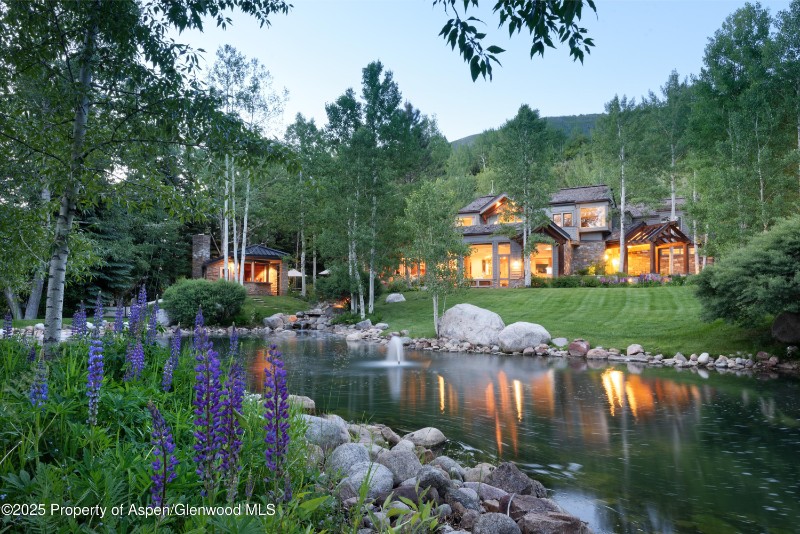
Aspen Valley Ranch: A balance of natural beauty, thoughtful design, and enduring mountain character.
Aspen is known worldwide for its ski slopes, but its soul is ranching. This legacy of cowboy grit, land stewardship, and mountain beauty still shapes the valley today. Modern properties like Aspen Valley Ranch carry this history forward, blending authentic ranch life with top-tier luxury.
For buyers and investors, these ranches offer something rare: land that delivers lifestyle, legacy, and long-term value. In this guide, you’ll get clear, practical insights on what makes these ranches unique, what to know before buying, and how the right Aspen luxury real estate agent can help you land the right deal.
Table of Contents
ASPEN’S RANCHING HERITAGE
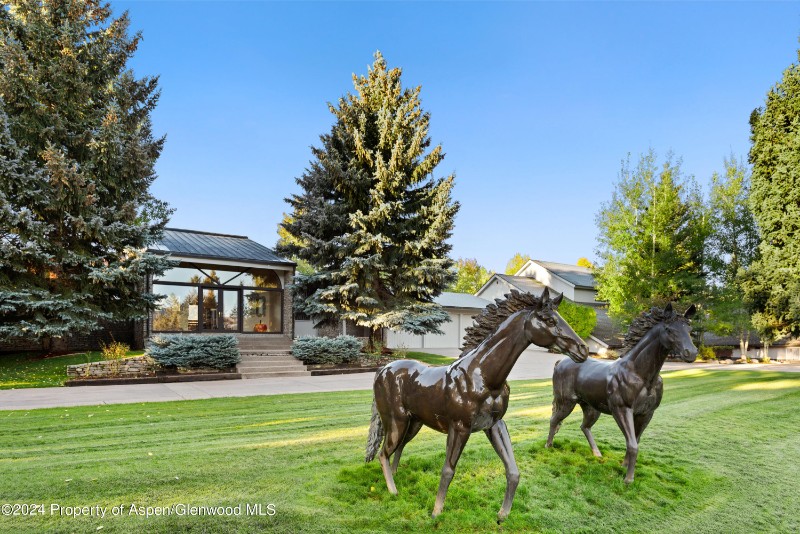
Honoring Aspen’s ranching routes, where equestrian traditions still shape the land and culture.
Long before the ski lifts and luxury hotels, the valley was home to cattle ranches, homesteaders, and rugged families who shaped the land with hard labor and a fierce connection to place. Today, this history still echoes through the valley, not as a relic but as a living part of Aspen’s identity.
Historic Roots
Aspen’s ranching roots go back to the late 1800s, when silver miners first flooded the valley. Once the mining boom faded, cattle ranching took over as the economic backbone. Families carved out homesteads across the Roaring Fork Valley, raising livestock, growing hay, and working the land through brutal winters and short summers.
Many of these early ranches sat along key stretches like McLain Flats Road and Castle Creek, areas that today are lined with some of Aspen’s most sought-after ranch estates. These families raised cattle, and in doing so, shaped a local culture centered on hard work, independence, and care for the land—values that continue to influence Aspen today.
Historic ranches such as Stillwater Ranch and Wildcat Ranch helped shape Aspen’s landscape and reputation. Even as the ski resorts rose and the global elite arrived, this cowboy tradition remained woven into the land’s fabric, creating a rare mix of ruggedness and refinement.
Modern Preservation
Aspen’s ranching heritage is actively preserved today through local and regional efforts, ensuring the valley’s landscape and history remain intact. Here’s how conservation plays out on the ground:
-
Land trust protections: The Aspen Valley Land Trust safeguards thousands of acres, keeping working ranches intact and conserving open space for wildlife and local communities.
-
Notable conservation projects: Easements at properties like Coffman Ranch protect wildlife corridors, mountain views, and historic land uses.
-
Private conservation easements: Many iconic ranches, including sections of Aspen Valley Ranch, use these agreements to limit future development while maintaining private ownership and agricultural use.
-
Buyer advantages: Conservation provides more than tax benefits. It protects the natural beauty, ecological health, and historic charm that make Aspen ranches so appealing to long-term owners.
-
Ongoing cultural life: Local rodeos, ranching events, and working cattle operations help keep Aspen’s western traditions alive, reinforcing the valley’s identity even as the luxury market grows around them.
Old Traditions, New Owners
Today’s Aspen ranch owners often come from far beyond Colorado, drawn by the rare opportunity to combine history, luxury, and long-term value. These buyers include not just traditional ranching families but also younger entrepreneurs, tech founders, family offices, and international investors looking for meaningful, tangible assets.
What draws them in varies:
-
Privacy and space: Large acreages offer unmatched seclusion and natural surroundings, making them ideal for private retreats or family compounds.
-
Legacy and meaning: Many buyers are motivated by the idea of stewarding a historic property, preserving open land, and creating a generational asset to pass down.
-
Lifestyle access: Aspen ranches offer not only land but also access to world-class recreation, including horseback riding, fly fishing, skiing, and fine dining nearby.
-
Investment value: Scarce, protected land in a luxury market offers long-term financial strength, making these ranches attractive to investors who want both lifestyle and returns.
Ownership styles have shifted over time. While some ranches remain working cattle or horse operations, many new owners reimagine them as boutique retreats, equestrian estates, or multi-use compounds with guesthouses, art studios, wellness spaces, and event hosting potential. Properties like Aspen Valley Ranch show how careful this balance can be struck, blending original ranch features with thoughtful, modern upgrades.
The Role of Equestrian Culture
Horses have been an integral part of Aspen’s ranching heritage since the earliest homesteads, and today, that equestrian tradition remains central to many local properties. For buyers drawn to Aspen equestrian estates, ranches often come equipped with private stables, professional-grade arenas, fenced pastures, and miles of riding trails right on the land.
Local equestrian clubs and events, such as polo matches, horse shows, and charity riding events, provide opportunities for owners to connect with the broader community. Many ranch owners also enjoy direct access to some of Colorado’s best backcountry horseback routes, mixing daily riding with sweeping mountain views and wildlife encounters.
WHY ASPEN RANCHES ARE THE ULTIMATE INVESTMENT
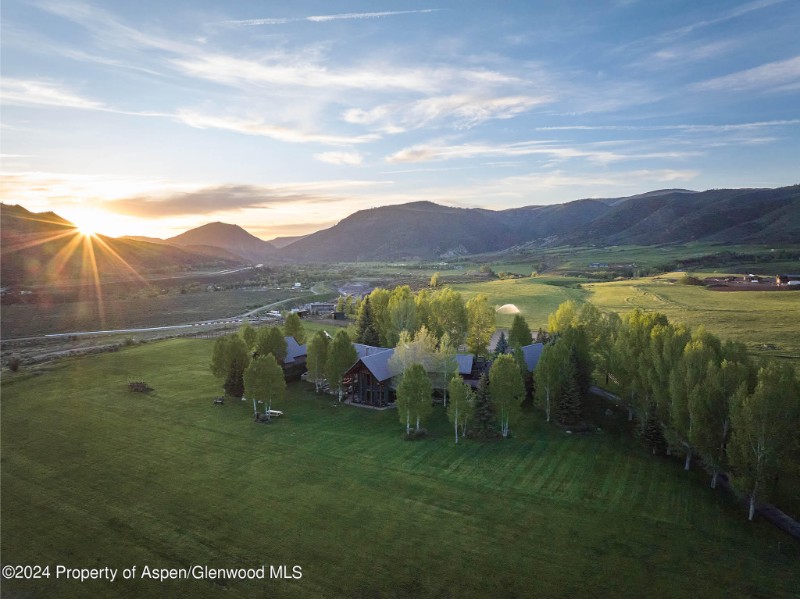
Expansive Aspen landscapes offer rare privacy, beauty, and long-term investment strength.
Owning a ranch in Aspen isn’t just about land; it’s about securing a lifestyle and a legacy that few places can match. These properties deliver privacy, beauty, and long-term value, making them one of the most compelling choices in the Aspen luxury real estate market.
Lifestyle and Prestige
Set on hundreds or even thousands of acres, these Aspen ranches provide true seclusion while keeping owners within reach of world-class skiing, dining, and shopping.
These properties are often designed as family compounds, with a main residence, guesthouses, staff quarters, and Aspen equestrian estates featuring state-of-the-art stables, riding areas, and private trails. Owners can host family gatherings, retreats, or private events without ever leaving their land.
Architectural and Natural Beauty
Many Aspen ranches combine reclaimed timber, local stone, and natural materials to create homes that blend into the landscape while offering every modern comfort. Large windows, glass walls, and open layouts bring in stunning mountain views and natural light, making the outdoors an integral part of everyday living.
Beyond the homes, these properties often feature private trout ponds, riding trails, stables, and barns, offering direct access to horseback riding, fishing, and scenic outdoor spaces.
Ranches like Aspen Valley Ranch demonstrate how carefully curated architecture and natural beauty can come together, creating properties that feel both grounded in their surroundings and tailored to luxury living.
Local Lifestyle Highlights
Buyers here enjoy a mix of outdoor adventure, cultural access, and luxury amenities that set Aspen apart from other mountain destinations.
Here’s what local ranch owners enjoy:
-
Proximity to top-tier recreation: Many ranches sit within easy reach of Aspen’s four ski resorts (Aspen Mountain, Aspen Highlands, Snowmass, and Buttermilk), providing year-round access to skiing, snowboarding, hiking, and mountain biking.
-
Aspen’s cultural scene: Ranch owners can enjoy access to Aspen’s acclaimed arts festivals, concerts, galleries, and events like the Aspen Music Festival and Aspen Ideas Festival.
-
Luxury dining and shopping: World-class restaurants, such as Matsuhisa, Cache Cache, and Element 47, along with designer boutiques and bespoke services, make Aspen one of the most sophisticated mountain towns in the country.
-
Community connections: While ranch life offers privacy, many owners also participate in local equestrian clubs, ranching events, charity galas, and conservation circles, creating meaningful ties within the Aspen community.
Financial and Legacy Value
With limited developable acreage in the valley, these ranches have remained some of the most stable holdings in the Aspen luxury real estate market. Here’s why buyers and investors see them as long-term, high-value assets:
-
Security drives demand: Well-located, well-maintained ranches tend to hold or increase their value over time, thanks to limited supply and sustained buyer interest.
-
Conservation incentives: Many owners use conservation easements, which preserve the land while offering potential tax advantages.
-
Income opportunities: Depending on zoning and use, ranches may generate income through vacation rentals, equestrian operations, or seasonal leases.
-
Legacy value: Many families hold ranches through trusts or family structures, passing them down across generations as long-term legacy properties.
-
Market resilience: Aspen ranches continue to attract high-net-worth buyers, even in changing markets, thanks to their blend of lifestyle appeal and investment strength.
-
Dual benefits: Unlike many luxury assets, ranches offer both financial upside and meaningful enjoyment, making them unique in a wealth portfolio.
HOW TO BUY THE RIGHT ASPEN RANCH
Buying a ranch in Aspen is complex and goes beyond standard home purchases. These properties come with legal, environmental, and operational factors that require expert handling. Knowing what to look for and who to work with can save time, money, and future trouble.
What to Know
Buying a ranch in Aspen requires careful attention to legal, environmental, and operational details. Getting familiar with these factors early helps you make informed decisions and avoid costly surprises. Here are the key points you should know:
-
Zoning restrictions: These can limit short-term rentals, large events, or new construction, affecting how you use the land.
-
Water and mineral rights: These are often separate from surface ownership and can affect access, usage, or third-party claims.
-
Seasonal access issues: Heavy snow can cut off parts of a ranch in winter, while wildfire risk requires mitigation plans and sometimes extra insurance.
-
Infrastructure needs: Remote or off-grid properties may require upgrades, ranging from road maintenance to energy systems, which can add to long-term costs.
-
Land use history: Prior agricultural or industrial use can affect soil health, water quality, or introduce regulatory issues like conservation rules or clean-up requirements.
-
Wildlife and habitat protections: Some properties fall under local or federal environmental protections that limit development or certain land uses.
-
Local permitting and approvals: Significant renovations, new structures, or land alterations often require permits and may face local review processes that take time and expertise.
Who You Need on Your Side
Buying a ranch in Aspen isn’t a DIY process. These transactions require expertise across real estate, land use, conservation, and local regulations. For high-value ranch purchases, working with a top Aspen luxury real estate agent is a smart way to protect your time, investment, and long-term goals.
The best Realtors in Aspen, Colorado, bring more than just listings. They offer:
-
Access to off-market properties: Many top ranch listings are never listed on public platforms and are shared exclusively within trusted local networks.
-
Deep local knowledge: Aspen’s zoning, conservation rules, and land use regulations are complex, and local agents know how to navigate them effectively.
-
Specialist connections: The right Realtor connects you with local inspectors, land use attorneys, water and mineral rights experts, and conservation consultants. These are people who understand the region’s unique challenges.
-
Guidance through Aspen’s unique landscape: Elevation, snowpack, wildlife management, and wildfire risk are part of the Aspen environment, and seasoned agents can help buyers assess these factors clearly.
WHAT TO EXPECT AS AN ASPEN RANCH OWNER
Owning a ranch in Aspen combines personal enjoyment with long-term stewardship. Many owners balance a hands-on connection to the land with the support of expert managers and staff who handle seasonal and environmental demands. Understanding these responsibilities helps buyers protect both the lifestyle and the value of their property.
Here’s what Aspen ranch ownership typically requires:
-
Hiring the right team: Many large ranches need a ranch manager, caretakers, or seasonal staff to handle daily operations and upkeep.
-
Maintaining infrastructure: Regular attention to fences, irrigation, private roads, and trails helps keep the property safe and functional.
-
Managing the land: Stewardship includes pasture care, wildlife management, and conservation work, especially if easements are in place.
-
Overseeing livestock or operations: For working ranches, owners or staff may manage horses, cattle, or agricultural activities depending on the use.
INVESTING IN ASPEN’S TIMELESS RANCH LUXURY
Aspen ranches combine historic character, lasting value, and luxury living, making them one of the most compelling investments in Colorado real estate. For buyers and investors, these properties offer the rare chance to secure land that delivers both personal rewards and long-term significance.
If you’re interested in luxury homes for sale in Aspen, Colorado, including top ranch properties like Aspen Valley Ranch, contact The Agency Aspen. Reach out to me, Heather Sinclair, at 970.948.8834 or via email to start your search with a local expert who knows the market in detail.