



Ski-in/ski-out living is one of the biggest draws of Aspen vacation homes—where winter access meets world-class scenery.
Aspen is one of the most sought-after vacation destinations in the US, famed for its world-class skiing, upscale dining, year-round outdoor recreation, and luxury lifestyle. This playground for the affluent also presents a unique investment opportunity, leveraging the appeal of living amidst the pristine outdoors and the prestige of a highly exclusive community.
Aspen’s enduring appeal makes vacation homes here a smart and resilient investment—whether for personal enjoyment or as a profitable rental property. In this guide, we’ll walk you through everything you need to know before buying a vacation home in Aspen—from understanding the market to choosing the right neighborhood and navigating the buying process.
Table of Contents
ASPEN REAL ESTATE MARKET OVERVIEW
With limited land, strict zoning rules, and a global luxury buyer pool, properties in Aspen sell at a premium—and often off-market. Home values remain strong across market cycles, driven less by national trends and more by local inventory constraints and cash-ready demand. Before you begin your search for Aspen vacation homes, it’s essential to understand the market dynamics that shape pricing, availability, and timing.
Market trends shaping Aspen vacation homes today
The Aspen housing market tends to remain strong, even during broader economic slowdowns. Home prices are consistently high, and inventory is limited—especially in the under $10 million range. Well-priced properties often attract multiple offers shortly after hitting the market, while ultra-high-end homes may take longer to sell but usually hold their value. Some of the key trends shaping the market include:
-
Buyer selectiveness: Today’s buyers are more measured and cautious than in past boom cycles. Turnkey Aspen vacation homes with modern finishes, mountain views, and easy ski access are in highest demand.
-
Cash-heavy transactions: A large share of homes are purchased without financing. This insulates the market from interest rate changes and puts financed offers at a disadvantage in competitive situations.
-
Tight inventory: Limited land and strict zoning continue to restrict new development. This keeps available listings low across all price points, especially in the mid-range.
-
Off-market activity: Many high-end homes are sold privately through whisper listings. Buyers working with well-connected local agents often gain access to homes not available on public platforms.
Key factors driving demand for Aspen vacation homes
Demand for Aspen vacation homes is steady and competitive—fueled by lifestyle-driven buyers and long-term investors—and the area’s status is one of the most desirable resort towns in the country. Buyers are drawn not just to outdoor recreation but to the lasting value of owning property in a high-demand, supply-constrained market. Several key factors are driving ongoing demand:
-
Lifestyle appeal: Aspen offers year-round recreation—world-class skiing in the winter, hiking and biking in the summer, and high-end shopping, dining, and cultural events throughout the year. For many buyers, purchasing a home here is about securing a luxury lifestyle in a small-town setting with global cachet.
-
Wealth migration: High-net-worth individuals continue to shift assets into real estate, especially in markets perceived as stable and desirable. Aspen benefits from this trend, especially among buyers from urban centers looking for second homes that double as long-term investments.
-
Remote and hybrid work models: More professionals now split their time between cities and destination markets. Aspen’s appeal as a work-from-anywhere location has grown, especially for buyers who want a live-in retreat with access to high-end amenities and reliable connectivity.
-
Tax strategy and wealth preservation: Aspen is located in Colorado, which doesn’t impose a state-level estate tax or luxury tax on real estate purchases. While property taxes are relatively low, long-term appreciation potential makes the area attractive to buyers interested in asset protection and value growth.
-
Rental income potential: While short-term rental regulations are strict and vary by location, many buyers still consider rental income as part of their return. Homes near downtown or ski-in/ski-out areas command premium rates during peak seasons. A well-positioned property can generate significant income when not in personal use.
Seasonal buying patterns and timing strategies
The Aspen real estate market doesn’t behave like a typical primary home market—it follows the rhythms of tourism, ski season, and summer events. Here’s how timing plays a role in Aspen real estate:
-
Winter (peak season): December through March is Aspen’s high season. Buyer activity increases, especially during the holidays and key ski events. Inventory is typically higher, but so is competition. Sellers are less likely to negotiate during this window, particularly for ski-in/ski-out Aspen vacation homes.
-
Spring (shoulder season): April and May tend to be quieter. Snow is melting, tourism is slowing, and fewer homes are listed. However, this can be a good time for buyers to make off-season offers—some sellers may be more flexible before the summer rush begins.
-
Summer (second peak): June through August is another high-demand window, especially for buyers who prefer hiking, biking, and cultural events over winter sports. Inventory picks up again, and while competition is still strong, some buying activities are less urgent than in ski season.
-
Fall (strategic opportunity): September through early November is a strategic buying period. The crowds thin out, properties that didn’t sell over the summer may come down in price, and sellers may want to close before winter. Serious buyers can often find better value during this window.
How your goals shape your Aspen home strategy
Aspen offers substantial lifestyle value, income potential, and long-term appreciation—but how you prioritize those factors will shape your budget, location choice, and ownership strategy. Here’s how to approach each type of goal:
-
Personal use: If your main goal is lifestyle, the location should reflect how you plan to use the home—ski-in/ski-out convenience, downtown walkability, or year-round privacy. Buyers seeking a retreat for family use often lean toward properties with flexible layouts, scenic views, and easy access to recreation.
-
Rental income: If generating short-term income is part of your plan, target areas that allow vacation rentals and have strong guest appeal. Ski-in/ski-out condos, downtown properties, and newer builds with hotel-style amenities perform best. You’ll need local guidance to navigate rental rules, permit requirements, and HOA restrictions. Management fees and cleaning costs can also affect your net return.
-
Long-term investment: If you’re buying primarily for appreciation, focus on neighborhoods with a track record of price stability and buyer demand. Properties in areas with low turnover and strong resale appeal tend to hold their value well. Homes with quality construction, minimal deferred maintenance, and unique features often outperform over time.
In some cases, buyers aim to meet more than one goal. For example, a vacation home can be a personal retreat for part of the year and generate rental income the rest of the time. That hybrid strategy is common but still requires clarity up front to avoid missteps, especially regarding zoning, tax planning, and financing.
TYPES OF VACATION HOMES AVAILABLE IN ASPEN
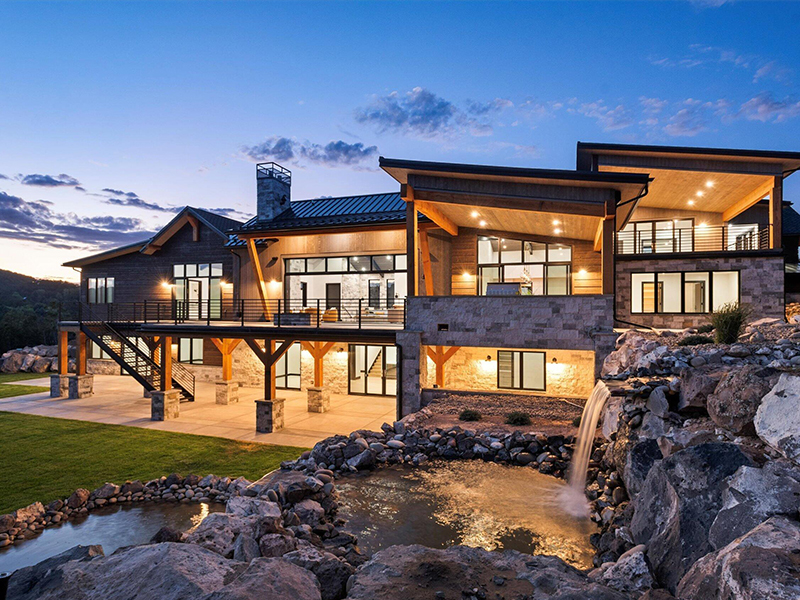
Modern mountain estates like this highlight the design, scale, and privacy found in Aspen vacation homes.
Aspen offers various vacation home types, each suited to different buyer needs, price points, and lifestyle preferences. From low-maintenance condos to secluded mountain estates, understanding the options can help you focus your search more effectively. Here’s a breakdown of the most common choices:
-
Condos and townhomes: These are popular for their low maintenance and proximity to Aspen’s core or the slopes. Options range from compact 1-bedroom units to high-end penthouses in full-service buildings. Most come with HOA fees, and some have short-term rental restrictions—important to confirm early in your search.
-
Single-family homes: Found throughout Aspen and surrounding areas, these homes offer more space and privacy. They vary widely in size, style, and location—from smaller homes near downtown to larger properties in residential pockets like West Aspen or East Aspen.
-
Luxury estates: Common in Red Mountain, Starwood, and select parts of West End, these homes represent the high end of the market. Many luxury homes for sale in Aspen, Colorado, change hands privately, outside of the MLS. They also feature expansive layouts, high-end finishes, and top-tier views.
-
Historic homes and Victorians: Mostly found in the West End and downtown Aspen, these properties appeal to buyers looking for architectural character. Many have been modernized while retaining historic features. Inventory is limited, and pricing reflects their rarity and location.
-
Cabin and ranch properties: Typically located in downvalley areas like Woody Creek, Old Snowmass, and Basalt, these homes suit buyers looking for land and privacy. These properties may include acreage, barns, or access to rivers and trails and are more often used for personal or seasonal living than short-term rentals.
TOP AREAS FOR ASPEN VACATION HOMES
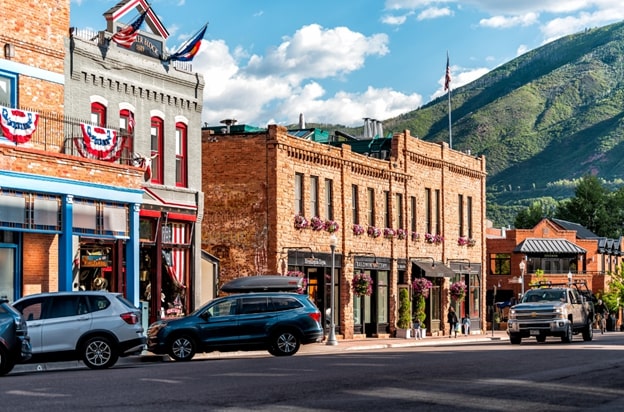
Downtown Aspen offers unmatched access to skiing, dining, and luxury vacation homes—all in one walkable location.
Aspen may be a small town, but its neighborhoods vary widely in feel, price point, and property type. Each area offers something different—walkability, privacy, ski access, or stronger rental appeal—so the right fit depends on how you plan to use the home and what kind of environment you prefer.
Some areas are better for convenience and social energy. Others offer seclusion, larger lots, or direct access to trails and slopes. If you’re buying from out of town, explore each area—or research what matters most to you before narrowing your search.
Downtown Aspen
Downtown Aspen is the heart of the action. It offers walkable access to restaurants, shopping, galleries, and the Silver Queen Gondola. If you want convenience, energy, and immediate access to Aspen’s core amenities, this is the place to start your search.
Property types include luxury condos, penthouses, and a limited number of single-family homes. Space is limited downtown, and properties are priced more for access than acreage. Fully renovated units with modern finishes tend to move more quickly.
For buyers interested in rental income, downtown properties often perform well—especially during ski season and summer events. Short-term rental rules vary by building, so due diligence is key.
West End
The West End is one of Aspen’s most historic and residential neighborhoods. It’s known for its quiet, tree-lined streets, Victorian homes, and proximity to cultural institutions like the Aspen Institute and the Michael Klein Music Tent. Unlike downtown, it offers a quieter, more residential setting just a short distance from the core.
This area attracts buyers who want a calm, livable environment within walking or biking distance of downtown. Many homes are owner-occupied, and turnover tends to be low. Architecture in the West End includes a mix of restored historic homes and modern builds, often on larger lots than you’ll find in the town center.
For buyers interested in Aspen vacation homes, the West End is ideal for those who value architectural character, livability, and proximity to Aspen’s cultural venues. It’s less about rental income and more about long-term enjoyment and classic Aspen charm.
Red Mountain
Red Mountain is one of Aspen’s most prestigious residential areas, often referred to as “Billionaire Mountain.” Perched above town on the north side of the valley, its elevated setting provides expansive views of downtown Aspen, Aspen Mountain, and the surrounding peaks.
The neighborhood is known for its large, gated estates and ultra-high-end Aspen vacation homes. Homes are built on large lots and often include private driveways, floor-to-ceiling windows, and custom architecture. It’s a popular choice for buyers prioritizing privacy, space, and unobstructed views.
While it’s only a short drive from downtown, Red Mountain feels removed from the activity below. It isn’t walkable, but that’s the trade-off for elevation, exclusivity, and panoramic scenery. Most owners don’t rent their homes here. Properties are typically held for personal use and long-term value.
Inventory is limited, turnover is low, and pricing reflects the area’s elite status. Red Mountain is best suited for buyers seeking privacy, prestige, and long-term value in Aspen’s uppermost tier.
Snowmass Village
Snowmass Village sits just a few miles from Aspen and offers a different kind of appeal—more housing options and lower price points compared to Aspen’s core. It’s home to one of the largest ski areas in Colorado and has become a year-round destination with hiking, mountain biking, events, and a growing base area.
Buyers looking for Aspen vacation homes in Snowmass are drawn to ski-in/ski-out homes, condo communities with on-site services, and a more laid-back, family-oriented environment. Many properties are part of managed developments that offer pools, shuttle service, or structured rental programs—ideal for those seeking convenience and hands-off ownership.
Short-term rentals are more common and more widely permitted here than in many Aspen neighborhoods. That makes Snowmass a practical option for buyers who want to offset costs with seasonal rental income.
While it doesn’t carry the prestige or energy of downtown Aspen, Snowmass appeals to buyers who prioritize outdoor access, flexibility, and relative affordability. It’s especially appealing to part-time residents and buyers who want practical access to outdoor recreation with income potential.
Woody Creek and Old Snowmass
Woody Creek and Old Snowmass are located a short drive downvalley from Aspen but feel much farther removed. These areas attract buyers who want space, seclusion, and a quieter mountain lifestyle—without giving up access to town when needed.
Housing options include log cabins, ranch homes, and larger properties with acreage, river frontage, or equestrian facilities. The scenery is a major draw: open meadows, wide mountain views, and a slower pace that contrasts with Aspen’s energy.
Aspen vacation homes in Woody Creek and Old Snowmass are typically used seasonally or year-round rather than as rental properties. These are lifestyle purchases for buyers who value privacy, land, and a more relaxed setting. The market here moves at a slower pace, with lower density and fewer sales compared to Aspen’s core neighborhoods.
These areas are a strong fit for long-term owners who prioritize open space and independence over proximity to resort amenities. They offer a completely different experience while still keeping you within reach of Aspen’s cultural and recreational offerings.
Basalt
Located about 20 miles downvalley from Aspen, Basalt is a growing hub with a strong sense of community and a more year-round, local feel. It sits at the confluence of the Fryingpan and Roaring Fork Rivers and offers a mix of small-town charm, access to outdoor recreation, and expanding retail and dining options.
It appeals to buyers looking for approachable pricing, year-round livability, and access to public schools. Buyers will find a wider variety of homes types here, often with larger lots and lower price points than Aspen—ranging from condos and townhomes to custom-built residences in neighborhoods like Willits.
Aspen vacation homes in Basalt tend to attract second-home buyers seeking riverfront access and easy entry to mountain recreation without the premium pricing of Aspen. While short-term rentals are present, they’re less of a market driver here than in Snowmass or Aspen proper. Most owners use the homes themselves or rent on a longer-term basis.
Basalt is a strong option for buyers who want to stay connected to the Roaring Fork Valley without sacrificing natural beauty, space, or access to four-season activities.
Carbondale
Carbondale sits farther down the Roaring Fork Valley, about 30 miles from Aspen, and has a distinct personality shaped by its art scene, outdoor culture, and strong local community. It offers a more laid-back lifestyle with quick access to mountain recreation and year-round amenities.
Buyers considering Aspen vacation homes in Carbondale are often looking for more breathing room and less price pressure compared to the upper valley. Properties range from in-town cottages and custom homes to rural estates with acreage. It’s also a popular choice for those who want to live full-time near Aspen in a less tourist-driven setting.
Carbondale isn’t a short-term rental hotspot. Most owners use their homes as primary residences or second homes with occasional long-term tenants. Homes here typically stay on the market longer, reflecting the area’s slower rhythm and lower demand pressure.
For buyers who value space, creativity, and a locally grounded lifestyle with strong ties to the arts, culture, and the outdoors, Carbondale offers long-term appeal and a well-rounded alternative to Aspen’s luxury core.
Glenwood Springs
Glenwood Springs is the largest town in the Roaring Fork Valley and sits about 40 miles northwest of Aspen. Known for its hot springs, historic downtown, and year-round tourism, it functions as a regional hub with a full-service hospital, major grocery stores, and strong transportation links via Amtrak and I-70.
While it isn’t traditionally associated with Aspen vacation homes, Glenwood appeals to buyers looking for more value and everyday livability. Many buyers choose Glenwood for its full services, livable scale, and access to outdoor recreation—rather than proximity to the slopes. Properties include single-family homes, townhouses, and riverfront parcels, often at a fraction of the cost of homes closer to Aspen.
Short-term rentals are permitted in some parts of Glenwood, but the market is more locally driven. Many second-home buyers here are Colorado residents or frequent visitors who value amenities, affordability, and year-round usability more than prestige.
It’s a smart option for those who want the amenities of a real working town, plus easy access to Aspen without the premium.
HOW TO FINANCE YOUR VACATION HOME

Financing an Aspen vacation home requires strategy—especially with jumbo loans and second-home rules in play.
Because Aspen vacation homes are often classified as either second homes or investment properties, lenders may apply stricter terms depending on how you plan to use the property. Here are some of the key financing considerations to think about:
-
Larger upfront costs: Second homes typically require a 10-20% down payment, while investment properties may need 25% or more, depending on rental intent and lender policy.
-
Loan terms vary by use and property type: Interest rates and structures differ for second homes versus investment properties. Properties with short-term rental potential or those in condo-hotel buildings may fall under special financing programs.
-
More financial documentation required: Lenders evaluate your debt-to-income ratio, income stability, and available reserves. If you’re self-employed or using projected rental income to qualify, expect to provide detailed backup.
-
Work with an Aspen-based lender: Local institutions better understand zoning nuances, HOA restrictions, and market-specific quirks that national lenders often overlook.
-
Expect stricter underwriting: Jumbo loans (common in the Aspen area) often require more asset verification, longer appraisal timelines, and added scrutiny around wildfire risk, insurance coverage, and HOA obligations.
WORKING WITH A LOCAL REAL ESTATE EXPERT
Partnering with an experienced real estate agent in Aspen is one of the most important steps in successfully buying a vacation home here—especially if you’re navigating luxury price points, limited inventory, or long-term investment goals.
Here’s what an expert local agent brings to the table:
-
Access to discreet, off-market opportunities: Many high-end properties in Aspen sell quickly through private networks. A well-connected agent can give you access to these properties before they’re listed in the broader market.
-
Hyperlocal pricing context: A local expert can explain why two homes with similar specs are priced very differently—based on view corridors, lot configuration, or block-by-block differences in demand.
-
Navigation through regulatory layers: Aspen transactions often involve layers of regulation—from HOA bylaws to zoning quirks—so working with someone who knows the terrain is essential.
-
Offer strategy in a high-demand market: With tight supply and frequent cash deals, it’s important to have an agent who can move quickly and craft a strong offer.
-
Tailored search for high-end preferences: An agent familiar with Aspen luxury real estate can match you with properties that meet your priorities—like ski access, privacy, or modern tech features.
YOUR NEXT STEP IN BUYING A VACATION HOME IN ASPEN
Buying in Aspen isn’t just about finding a property—it’s about getting it right. The market moves fast, inventory is limited, and every neighborhood has its own set of rules, pricing nuances, and opportunities.
We at The Agency Aspen bring clarity to the process and guide clients through sometimes complex decision making. With deep experience in Aspen luxury real estate, we’ll help you find the right home, navigate the best deals, and make smart, informed decisions at every step.
If you’re ready to start, let’s talk. Call me, Heather Sinclair, at 980.948.8834 or send me an email to get started.